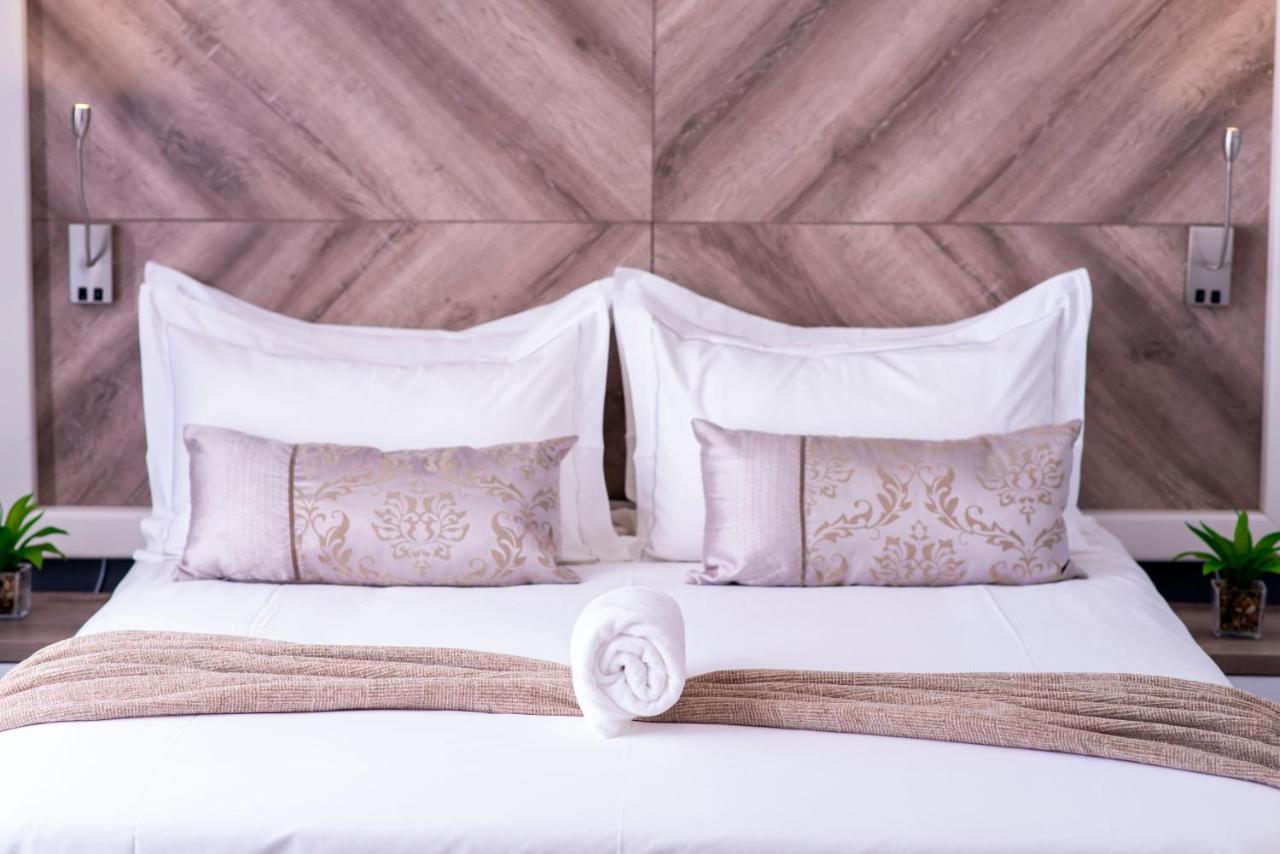
Discover Windhoek
If you are a nature lover, Windhoek will not disappoint. The city is surrounded by breathtaking landscapes, including the iconic red sand dunes of Sossusvlei and the rugged terrain of the Naukluft Mountains. There are numerous hiking trails and safari tours that allow you to get up close and personal with the local wildlife, such as elephants, lions, and giraffes.
Of course, no trip to Windhoek would be complete without sampling the delicious local cuisine. You can indulge in everything from traditional African dishes like braaivleis (barbecue) and pap (maize porridge) to German-inspired treats like schnitzel and strudel. And don't forget to wash it all down with a cold Windhoek Lager, the city's famous beer.
Discovering Windhoek's Charm: A Guide to Its Unique Attractions
Windhoek is the capital and largest city of Namibia, a country in southern Africa known for its vast deserts, wildlife, and diverse cultures. While Windhoek may not be as well-known as some of the other cities in the region, it has a charm all its own that is worth exploring.
One of the city's most unique attractions is the Christuskirche, a beautiful Lutheran church that was built during the German colonial period in the early 1900s. Its striking design and location in the heart of the city make it a must-see for any visitor.
Another highlight of Windhoek is the Namibia Craft Centre, which features a wide variety of handmade crafts and art from local artisans. From pottery to textiles to wood carvings, there is something for everyone to enjoy and take home as a souvenir.
The city also boasts a number of museums that are worth a visit, including the National Museum of Namibia and the Alte Feste Museum. Both offer a fascinating look at the country's history and culture, from its colonial past to its present-day struggles and triumphs.
For those who enjoy the outdoors, Windhoek has plenty to offer as well. The city is surrounded by mountains and hills that provide ample opportunities for hiking and exploring, while the nearby Daan Viljoen Game Reserve offers a chance to see some of Namibia's famous wildlife up close.
Finally, no visit to Windhoek would be complete without experiencing its vibrant food and nightlife scene. From traditional African dishes to international cuisine, there is something to suit every taste. And when the sun goes down, the city comes alive with bars, clubs, and live music venues.
Discover Namibia's Wealthiest Town: Top Ranking
When it comes to wealth in Namibia, Windhoek is the place to be. According to a recent study, Windhoek has been ranked as the wealthiest town in the country, with a per capita income of N$63,000 ($4,200).
This ranking is based on the average income of households in the town, which is significantly higher than the national average of N$14,000 ($930).
Windhoek, which is the capital city of Namibia, is known for its vibrant economy and booming real estate market. The city is home to several large businesses and industries, including mining, finance, and tourism.
In addition to its strong economy, Windhoek is also known for its high standard of living. The city boasts modern infrastructure, excellent healthcare facilities, and a wide range of educational opportunities for residents.
Despite its wealth, Windhoek still faces several challenges, including high levels of unemployment and poverty. However, the city's strong economy and high standard of living have made it an attractive destination for both domestic and international investors.
Discover Fascinating Windhoek Facts
Windhoek is the capital city of Namibia and an intriguing place to visit. Not only is it the political and economic hub of the country, but it also boasts a rich history and culture that make it a unique destination. Here are some fascinating facts about Windhoek that you might not know:
Windhoek is one of the cleanest cities in Africa. The city has a reputation for being well-maintained and litter-free, which is a testament to the dedication of the local government and citizens.
The city has a blend of German and African cultures. This is due to the fact that Namibia was a former German colony, and their influence is still visible in the city's architecture, food, and language. You'll also find a mix of indigenous cultures, making Windhoek a melting pot of diverse traditions.
Windhoek is home to the oldest building in Namibia. The Alte Feste, which means "old fortress" in German, was built in 1890 and served as a military fort during the colonial era. Today, it's a museum that showcases Namibia's history and culture.
The city is surrounded by stunning natural landscapes. Windhoek is situated at the base of the Khomas Highland, which offers breathtaking views of the surrounding mountains and valleys. The city is also close to the Namib Desert, the oldest desert in the world, which is a popular tourist destination.
Windhoek has a thriving arts and culture scene. The National Theatre of Namibia is located in the city, and it hosts a range of performances throughout the year, including dance, music, and theatre. The city also has a vibrant street art scene, with murals and graffiti adorning many buildings.
If you're planning a trip to Namibia, make sure to add Windhoek to your itinerary. With its unique blend of cultures, stunning natural landscapes, and vibrant arts scene, it's a city that's sure to leave a lasting impression.
Language Spoken in Windhoek, Namibia: Facts & Insights
Windhoek is the capital and largest city of Namibia, located in the central region of the country. The city has a population of approximately 325,000 people and is the political, economic, and cultural center of Namibia.
The official language spoken in Windhoek is English, which is widely used in government, business, and education. However, there are also several other languages spoken in the city, including Afrikaans, German, Oshiwambo, and Herero.
English is taught in schools as a second language and is often used as a lingua franca between different language groups. The use of English in Windhoek reflects the country's colonial history, as Namibia was a German colony from 1884 to 1915 and then a South African mandate until 1990.
Afrikaans is also widely spoken in Windhoek, particularly among the white and mixed-race population. This is also a reflection of Namibia's history, as Afrikaans was the language of the South African administration during the mandate period.
Oshiwambo and Herero are Bantu languages spoken by the majority of the population in northern and central Namibia, respectively. In Windhoek, these languages are often used in informal settings and are an important part of the country's cultural heritage.
German is also spoken by a small minority of the population, particularly among the older generation. This is again a reflection of Namibia's colonial history, as German was the official language during the German colonial period.
In conclusion, Windhoek is a vibrant city with a rich cultural heritage and a welcoming atmosphere. It is a city that has something for everyone, from historical landmarks to modern shopping centers, and from adventurous outdoor activities to relaxing spas. Whether you are a local or a tourist, Windhoek offers a unique experience that cannot be found elsewhere in Namibia. So, pack your bags and come explore this beautiful city that is sure to leave a lasting impression on your heart and mind.